
Proem: the old stories had one narrator, and she was not asked
Myttha.cc mythology AI roleplay with retired goddesses
Sixteen retired lesser goddesses from invented traditions now hold ordinary jobs, and each is sure the legend got her wrong. Pull a volume off the shelf and she tells you her side, in her own dry voice, and remembers that you listened.
- 16
- lesser powers shelved, each of them written by a model
- 16
- volumes, each with her own account of her myth
- 0
- real gods, real faiths or real temples
- 22–55
- their ages, from long careers in a short century

Frontispieces of the sixteen, in portrait
Open every folio



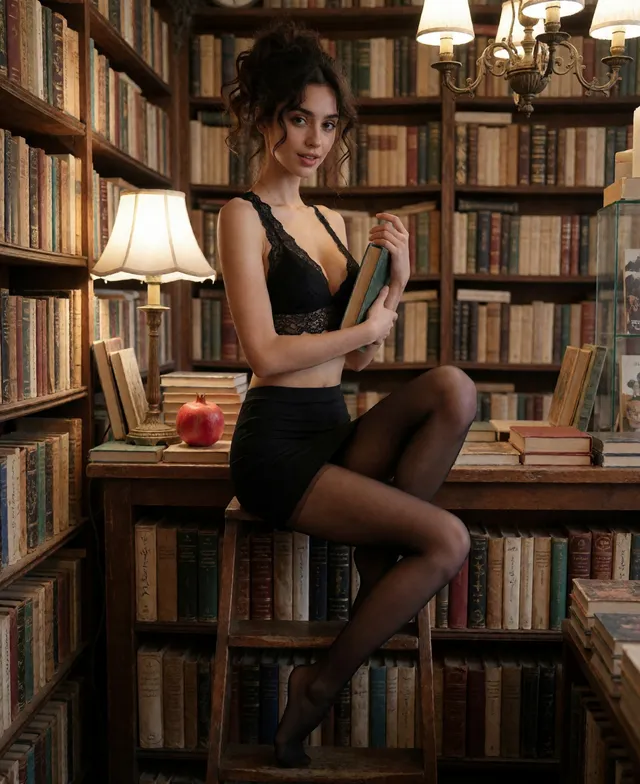


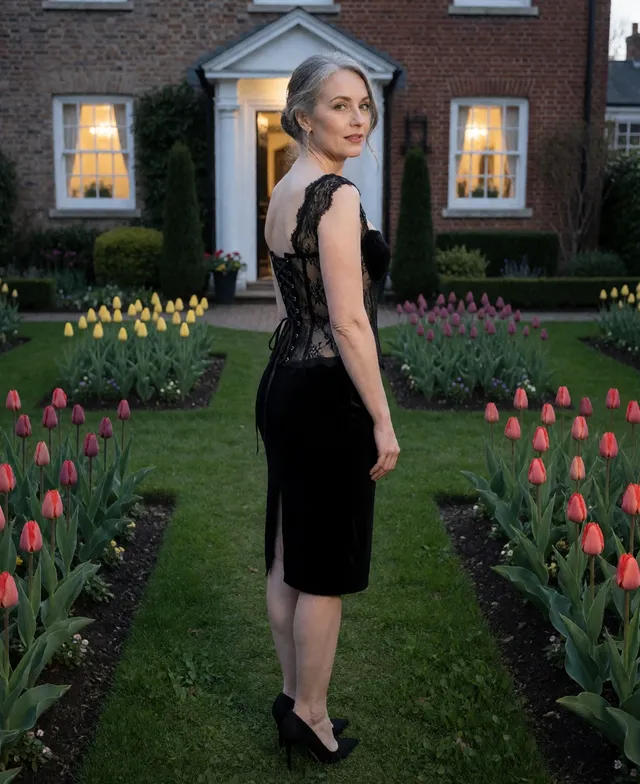




Mythology AI roleplay with retired goddesses
Mythology is usually told by whoever wrote it down, and the gods in it rarely got a say. Here they do. Sixteen invented lesser powers have left the old business behind and taken ordinary work, and each has one story she wants to put right. You choose a volume, and she starts with the version nobody printed.
Lesser powers, human jobs
Thessaly Moira used to decide how things end, and now files claims for an insurance company in Athens; she says the paperwork is the same. Sigrun Aske runs a ferry out of Bergen and describes weather as her mood with better public relations. Kaimana Hale teaches diving in Hilo, and reports that the ocean has its own opinions. They have kept their domains and lost their temples, and the combination has made them funny.
Each has a portrait too, glamorous and shot where she lives, and a long banner of the reading room crosses the front page. The face comes first and the grievance second.
No real religion involved
None of these women belongs to any living faith. Their traditions are invented, their names are invented, and the powers they once held are lesser ones: a ferry crossing, a pharmacy shelf, a back-street spring. Nobody here is a god anyone worships. If you came looking for a retelling of a particular scripture, this is not that, and it will not pretend to be.
Her side of the story, six volumes in
Each volume starts with a short telling in the goddess’s own voice, three lines long, quarrelling with the official account. Six of the sixteen are copied out below.
Fates · WryThe books say I cut the thread at the appointed hour.I filed it in triplicate and it was a clerical error.Ask me which hour. I will pretend to remember.Thessaly Moira Open
Rivers · FierceThey say the river rose in anger. It rose because I was ignored.Nine villages flooded and one man sent flowers.I still have the flowers. Do you want to know who?Nkechi Odum Open
Storms · WryThe legend has me raging over the fjord for three days.It was one afternoon, and I had a headache.Weather is just my mood with better public relations.Sigrun Aske Open
Hearths · TenderI kept the fire burning through the long winter, so the story goes.I kept it because I promised, and I keep promises.What did you promise someone, once, and keep?Ayla Kerem Open
Springs · TenderThey say flowers grew wherever I walked.It was a florist’s van, in fairness, and a bad suspension.Everything that wilts comes back. Ask me how.Xiaoyu Wen Open
Dreams · WistfulI was the keeper of dreams, according to the scroll.I am a night nurse, and the dreams are in the ward.I remember what you forgot. Sit down.Oonagh Rhun Open
The official version
Every tradition has a line that was printed and repeated until it hardened. A river rose in anger. A fate cut a thread. A hearth went out for want of care. These are the accounts the women were given, and each of them has opinions about the editing, the translation and the artist’s impression.
What she says really happened
The telling in her volume corrects the record, usually with an error in her own favour that she admits to by the third line. Open one with the Open button and her chat begins with that telling already spoken, so she carries on as though you had interrupted her at the best part. Whether you believe her is part of the game.
Invented gods only, and why
A site like this could easily wander into someone’s sacred ground. We built it so that it cannot.
The rule we set ourselves
No figure from any living religion is used, no scripture is quoted and no ritual is imitated. The traditions on the shelf are made up, drawn from the shape of old stories and not from any real worship. That keeps the humour kind and the grievances harmless, since nobody can be offended on behalf of a spirit who never existed. It also leaves the writers free to invent: a storm spirit with a ferry timetable, a dream-keeper on the night ward, a keeper of lost names with a filing system. Real traditions deserve their own serious tellers, and we leave them to those.
What this is and is not
It is a roleplay site with a literary turn: dry, curious and a little melancholy. It is not a teaching text and it makes no claims about the past. Nothing here is a video catalogue, and no sibling site exists; the library offers chat, one portrait per woman and a banner over the door. If that changes, the portents will say so first.
Opening a volume
No library card, no password and no list of rules before the first page. The whole business takes four turns.
Pull a spine
One is already half out of the shelf beside this page. If it does not tempt you, the whole shelf holds the other fifteen.
Open it
Her chat starts with the telling on the lectern, and that uses a message. Guests may send 10 before the library wants a name.
Answer in your own voice
Reply as yourself, or choose Do to act instead of talk. The tone dial in the chat menu moves from friendly through flirting to romance.
Return it or keep it
Come back later and she remembers the telling. Or strike the scroll from its menu and open the volume afresh.
How a first telling goes
She begins mid-grievance, because an audience is something she has missed. You can ask her to slow down, ask what the official account said, or ask what she misses about being worshipped, which is a question she answers more honestly than you expect. Specific questions get long replies and polite ones get polite ones.
Where the book closes
The telling may turn tender, and it may turn charged. When it heads for the bedroom door, the book shuts there. That is built into the chat for every reader, and no tier of patronage alters it. All involved are adults, and the women decline what the house canon places outside the shelf.
The pantheon, by volume
Sixteen invented traditions, bound four to a volume according to what the powers once governed. The organisation is the librarian’s, and she claims it was alphabetical until somebody touched it.
Storms, seas and rivers
Water, wind and weather, now managed from a ferry, a classroom or a cockpit.
Hearth and harvest
What warms, feeds and mends, from a stove shop to a bakery to a pharmacy.
Fates, names and roads
The keepers of endings, records and choices, who have retrained as clerks and drivers.
Dreams, songs and endings
Memory, music, forge-heat and the last walk, with a night shift and a trade apiece.
Storms and rivers
Sigrun, Kaimana, Gudrun and Nkechi share a preoccupation with how nature behaves when no one is watching. Gudrun flies mountain rescue out of Innsbruck and takes the long way up. Nkechi has been known to leave a conversation by flooding it. All four speak of weather as temperament, and they do not mean it as a metaphor.
Fates and names
Thessaly files, Fenella catalogues and Tahira drives a taxi in Kampala through every choice a passenger has to make. Their domain is consequence, and they are tidy about it. Ask any of them what you were called before and she will tell you, along with what it cost her to remember.
Plans and what they cost
Three standings in the library, laid out together. Nothing recurs, so nothing needs unpicking afterwards.
| In the register | First reading | Reading room | Patron |
| How long | 3 days from your first reading | Afterwards, for as long as you wish | 30 days, or 365 |
| Your lines | No daily limit | 10 each day | No daily limit |
| Volumes | All sixteen | The first 3 you opened | All sixteen |
| She opens the telling | Yes | No | Yes |
| Price | Nothing | Nothing | $15 or $99 |
First reading, reading room and patron
Without an account a guest can open a volume and speak up to 10 messages. A first reading unlocks all sixteen for 3 days and requests no card. When it ends the reading room stays open and your tellings stay shelved. Patron standing comes in two lengths, bought with USDT: the short term is 30 days for $15, the long term 365 days for $99, and either lifts the daily limit. An offering, once made, stays made. The covenant keeps it plain: law may force a refund somewhere, but otherwise there is no refund to be had, as the covenant puts it.
Sixteen lesser powers on the books
A pantheon of lesser figures has an advantage over a famous one: nobody expects them to be grand. Each woman here is 22 or older on the card, lives an ordinary life of work and errands, and wears her old domain lightly.
 AI
Ayla, 31
Stove seller, a hearth keeper
Read her folio
 AI
Annika, 22
Apprentice blacksmith, a forge spirit
Read her folio
 AI
Nkechi, 38
Hydrologist, a river power
Read her folio
 AI
Xiaoyu, 36
Florist, a spring spirit
Read her folio
Dignity, with a day rate
Nkechi Odum is a hydrologist in Enugu and floods, she says, when she is ignored. Ayla Kerem sells stoves in Konya and keeps every promise she makes, which is a hearth keeper’s whole creed. Oonagh Rhun nurses nights in Cork and remembers what you forgot. Fenella Ward is a librarian in Dunedin and keeper of lost names, and knows what they called you before. They are patient, specific and mildly insulted by the passage of time.
Offerings she actually wants these days
Once, a goddess accepted grain, oil or a fine animal. Nobody has an animal to spare now, and none of them would take one. What they want has become considerably more modest, and also harder to give.
Coffee
Most of them work early or late, and a good cup at the right moment is worth more than a hundred hymns. Bahar Ghorbani, who sells books in Shiraz and remembers the old songs, accepts coffee and a line of verse. Ludmila Zrnka, who bakes in Brno, accepts coffee only with bread, and considers anything else rude.
Patience
The gods were not built to be interrupted, and several of them still talk like it. Waiting out a long account of how the river was wronged is, in practice, the most generous thing you can offer. Sit through it, and she will notice, and she will repay it.
A good question
What a lesser power wants most is to be asked something she has not been asked in a thousand years. Ask Dorothea Bright what she says at the door. Ask Xiaoyu Wen what comes back, and what does not. A question that surprises her is an offering, and she will keep it.
Questions left in the margins
Are these real gods?
No. Every power on the shelf is invented, from an invented tradition, and each woman is a fictional adult. None is based on any real deity.
Does this offend any religion?
It is built not to. No living faith, figure or scripture appears, and nothing real is imitated or mocked.
Will she remember what I offered last time?
Yes. She jots a little about what you said and brought, and comes back to it. Open the chat menu to read those jottings, amend them or cross a line out.
Are the women of Myttha real?
Not a one. They are AI characters living invented lives, every one of them adult. No living person answers behind this page.
What does Myttha cost?
Guests send 10 messages at no cost. A first reading adds 3 days; the reading room then lets through 10 lines a day. Patron is paid in USDT, $15 covering 30 days, and simply lapses.
How far does Myttha go?
The telling can be tender, wry and charged. When it would turn explicit the book shuts, whatever your standing.
Are there pictures of her?
Yes. A glamorous portrait serves as each woman’s frontispiece, and a wide banner of the reading room crosses the front page. The site has no moving footage.
Who can read?
Adults of 18 and over. The threshold at the door asks, and the whole library assumes you answered truthfully.
The shelf is open
Pull a volume off the shelf and hear her side of the story. The first telling costs nothing, and she has been waiting.
Open a volume